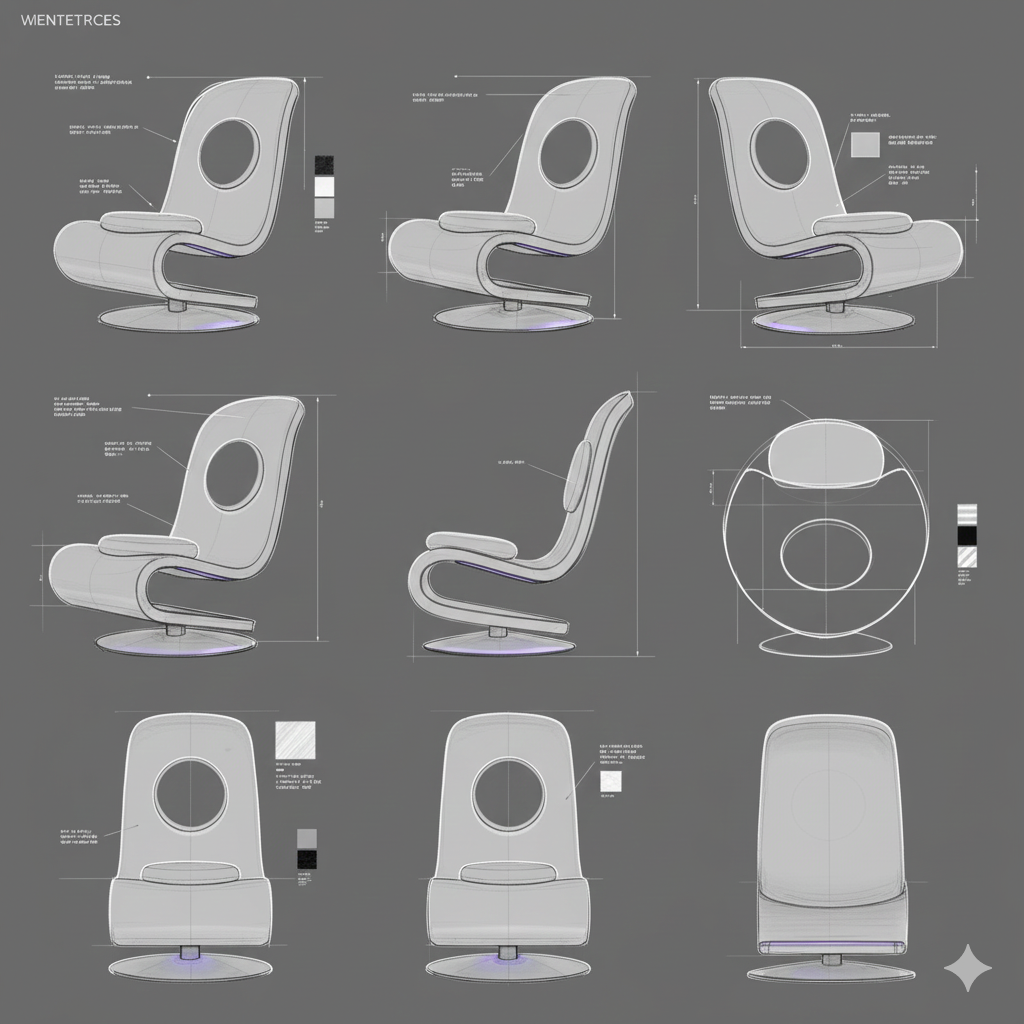
B.Des Product Design
Four Years Bachelor of Design Degree in Product designs
This course introduces students to the fundamentals of product design, focusing on user needs, problem-solving, form development, materials, and manufacturing basics. Students learn the complete design process—from research and ideation to prototyping and presentation—through hands-on projects and real-world examples.
The course builds creativity, technical understanding, and design thinking skills needed for careers in product design and related industries.
Program Highlights
Industry Exposure
Students gain industry exposure through live projects, prototyping workshops, factory visits, and interaction with design professionals. This helps them understand real-world product development, materials, and manufacturing processes.
Entrepreneurial Focus
The course nurtures entrepreneurial skills by teaching product ideation, market validation, and basic business strategies. Students learn how to develop design-led products, build startups, and take ideas from concept to market.
Practice-Based Learning
The course emphasizes hands-on learning through studio projects, prototyping, and iterative design exercises. Students apply concepts by designing, testing, and refining products using real-world constraints and user feedback.
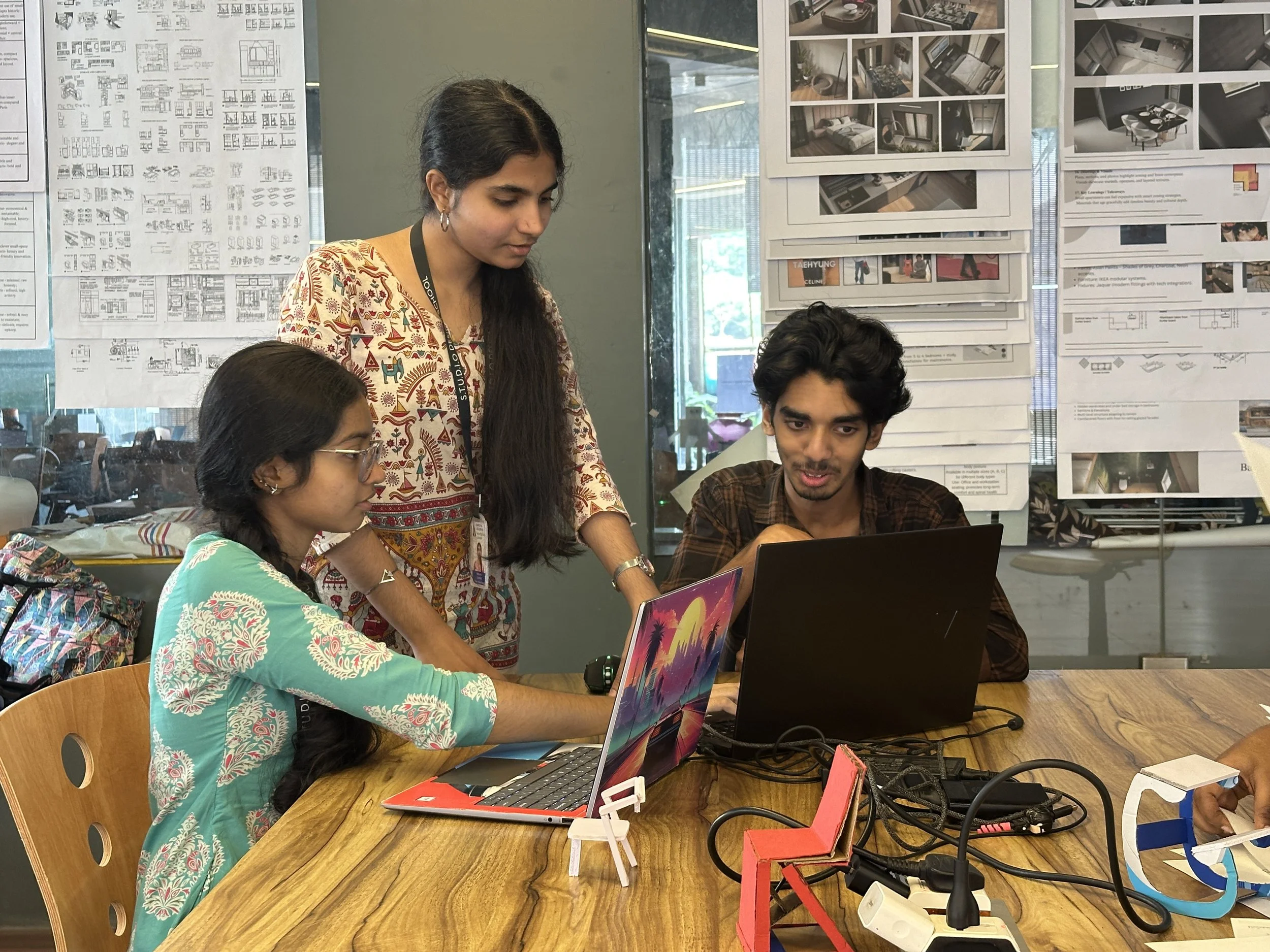
Collaborative Environment
Encourages students to share ideas, co-create concepts, and learn from diverse perspectives. It builds teamwork, communication, and real-world studio culture essential for the fashion industry.
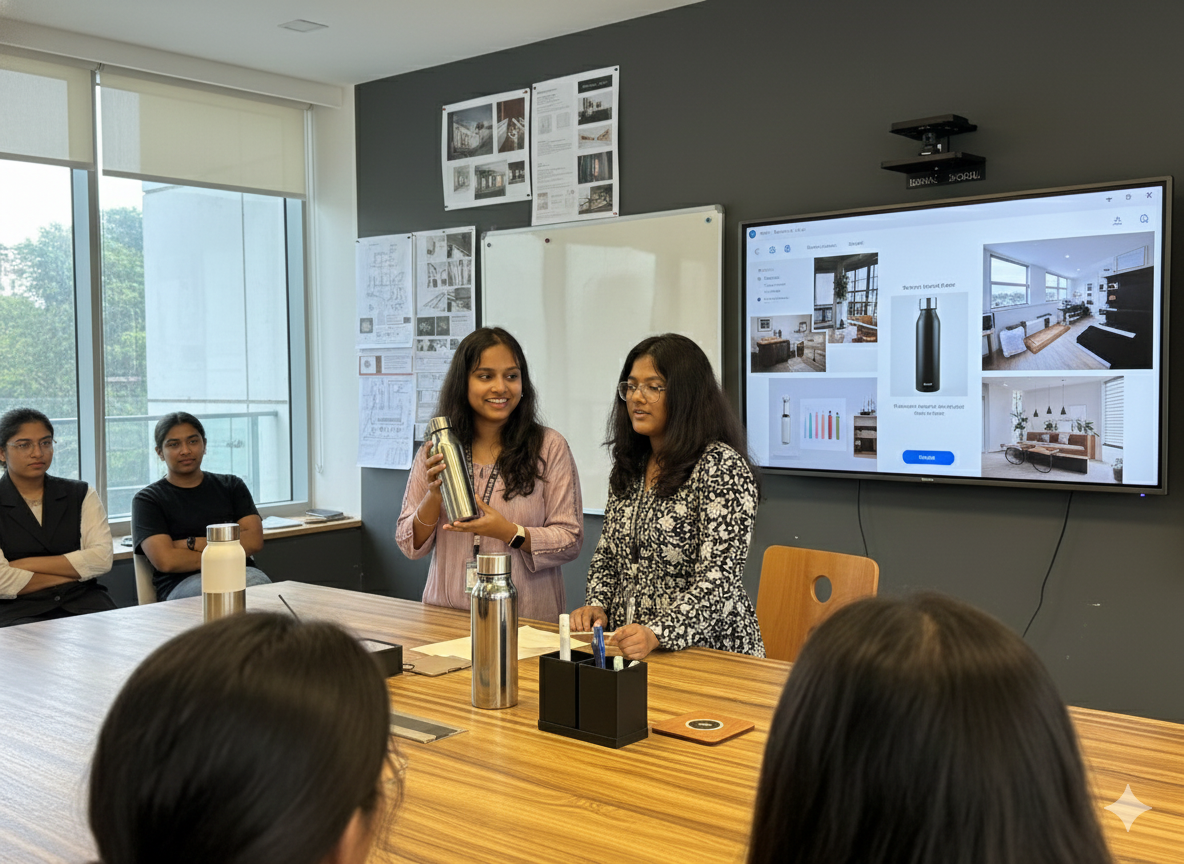
Pin-up Reviews
Course allow students to visually present their ideas, sketches, and concepts for open critique. They encourage constructive feedback, design clarity, and confidence in communicating creative thinking.
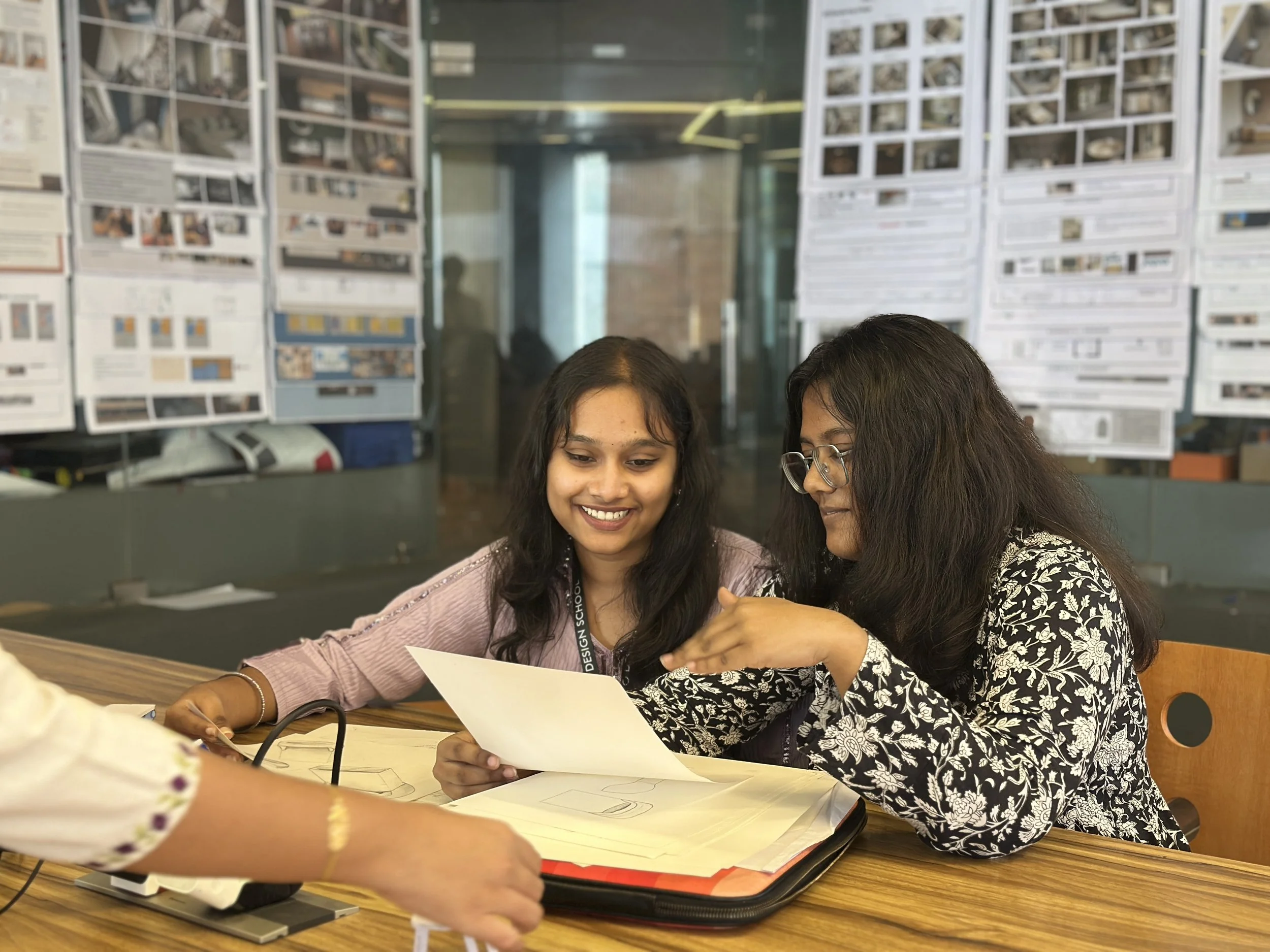
Mentorship Program
Connects students with experienced designers for personalized guidance and industry insights. It nurtures creativity, confidence, and professional growth through one-to-one learning and feedback.

Industry Internship
Course provides hands-on experience in real studios and production environments. It bridges academic learning with professional practice, preparing students for careers in the fashion industry.